Tu tarea es utilizar
In northern Argentina lies the second largest green lung in South America. The forest is relentlessly under attack by humans. The Argentine Chaco is one of the most devastated ecosystems in the country: more than 80% of the nation’s deforestation occurs there. Every day, 300 hectares of native forest are lost.
El Impenetrable National Park is not just any park. It encompasses more than 130,000 hectares of Chaco forest, murky rivers, palm groves, and silence. It is a living frontier between extinction and possibility.
It is hot, dry, thorny, humid, and hostile. Difficult to enter. Difficult to leave. Difficult to live in. It is also difficult to conserve.
For years, these lands belonged to a landowning family, the Roseos. They were murdered by three men who intended to seize their land. In 2014, after a landmark legal battle, the State expropriated the land and created Argentina’s newest national park.
In that ecosystem, the jaguar reigned silently for hundreds of years. However, poaching drove it to the brink of extinction. For more than 30 years, this species was nowhere to be seen—not its fur, its gait, its roar. In this corner of northern Argentina, the jaguar had vanished.
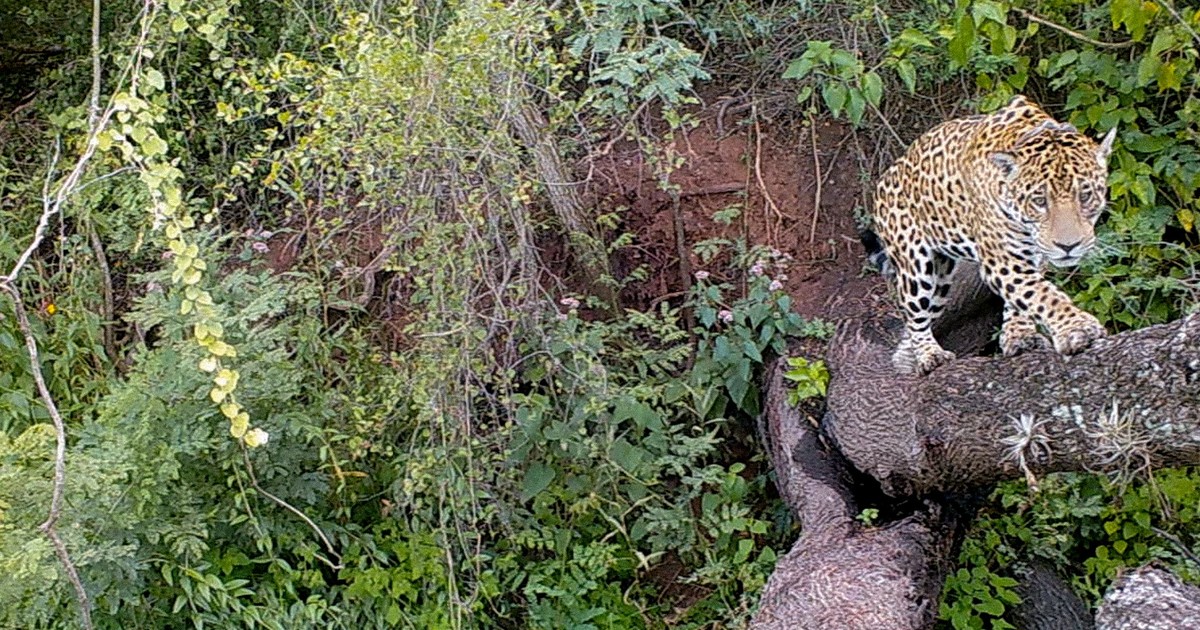
In 2019, a footprint appeared, then another. Large, deep, and dampened by the mud of the Bermejo River. Until a camera trap captured the impossible: a jaguar in the dry forest. That’s how it all began.
They named him Qaramtá, a word in the Qom language meaning “he who cannot be destroyed”. The king had returned to reclaim his forest and fight back. His appearance sparked the largest wildlife reintroduction operation in recent decades. Qaramtá was also the father and grandfather of the first wild cub born in the forest in more than 35 years.
Today, El Impenetrable is a key reserve in the fight against extinction. It is a refuge for species that no longer exist almost anywhere else. If the jaguar survives here, it’s not because the forest protects it, it’s because someone decided it was worth trying.
, interpretarlo y reescribir un artículo en un estilo editorial joven, seria, muy humanizado y fácil de leer. Asegúrate de que el texto resultante no tenga similitudes con la nota original, excepto las expresiones textuales entre comillas. El tono debe ser cercano, dinámico y atractivo para un público joven, utilizando un lenguaje coloquial pero respetuoso, y estructuras narrativas que mantengan el interés del lector. Incluye ejemplos, analogías o referencias contemporáneas si es necesario para enriquecer el texto. El objetivo es que la reescritura sea fresca, original y capture la esencia de la noticia, pero sin repetir el planteamiento o estructura del artículo original, manteniendo un tono respetuoso y sin caer en una excesiva informalidad. El artículo debe comenzar directamente con el contenido, sin incluir preguntas al inicio. Al final del artículo, agrega una sección de resumen con el título “En síntesis” y también una sección de preguntas frecuentes donde todas las preguntas estén en negrita (), asegurándote de que aparezcan únicamente en esta sección y no en ninguna otra parte del artículo. Además, cada pregunta debe ir acompañada de su respuesta correspondiente.
Crédito de la fuente original: www.clarin.com